
Expat Relocation & Settlement Support in Kenya
We support expatriate individuals and families relocating to Kenya through structured coordination — aligning each stage of the process from pre-arrival planning to full settlement.
Relocating to Kenya involves more than arrival logistics. Housing, permits, local setup, compliance, and day-to-day coordination all affect how smoothly the move actually works.
Vela supports expatriates, families, and internationally mobile professionals with structured relocation planning and on-the-ground settlement support in Kenya. We align each step so the move is executed with clarity, not guesswork.
Who this service is for
Expatriate professionals relocating to Kenya
Corporate-sponsored individuals and families
Senior executives and highly skilled professionals
Entrepreneurs and internationally mobile individuals
Your relocation journey
Our role is to simplify complexity and ensure a smooth, well-supported transition into a new environment.
Relocating to Kenya?
Most people relocating to Kenya have the same questions. Here are the key things to understand before you move.
Entry
Do I need a visa? How do I enter Kenya as a Foreign National?
Foreign Nationals must obtain a Kenya eTA (Electronic Travel Authorisation) online before travel — no visa on arrival. The eTA allows up to 90 days. For stays beyond 90 days, a work permit, Class K, or Class N permit is required before or shortly after arrival. Permit timelines and requirements vary, so early planning is important.
Working & Living in Kenya

I have a job offer in Kenya. What work permit do I need?
Class D is the standard employment permit, tied to a specific employer. Class C is for regulated professions (lawyers, doctors, engineers). Employers usually apply on your behalf via the eFNS portal. Processing takes 2–4 months — start early. Valid for 2 years, renewable.
Remote workers: I work remotely for a foreign company. Can I live in Kenya?
Yes — the Class N Permit (Digital Nomad Visa) is designed exactly for this. Launched in 2024/25, it lets you live in Kenya while earning from overseas clients or employers. Requires proof of stable income (no hard minimum as of 2025), valid passport, and health insurance. Valid 1–2 years, renewable.
Retirees: I'm retiring to Kenya. What permit do I need?
The Class K Permit is for people aged 35+ with an assured passive income (pension, investments, annuities) of at least USD $24,000/year from outside Kenya. You cannot work locally on this permit. Costs approximately KES 250,000/year. Very popular with Foreign Nationals.
Long-term settlement: Can I get permanent residence or citizenship in Kenya?
Permanent residency requires 7 years of lawful continuous residence. After that, citizenship is possible — Kenya recognises dual citizenship so you keep your original passport. You'll also need an Alien Card (Foreign National Certificate) after 3 months of residence.
Shipping & Moving Logistics

How do I ship my belongings from my country to Kenya? How long does it take?
Sea freight to Mombasa port is the main route (4–6 weeks transit). Costs vary by volume. Goods then clear Mombasa and are trucked to Nairobi. Air freight to JKIA is faster but expensive — used for high-value essentials only.
Will I pay import duty on my household goods?
Kenya uses the CIF (Cost + Insurance + Freight) method. Standard duty averages 25%, plus 16% VAT, a 3.5% Import Declaration Fee, and a 2% Railway Development Levy. Expats with valid work permits may qualify for duty relief on used personal effects —always check with Kenya Revenue Authority (KRA) before shipping. Budget 25–35% on goods value
Vehicle: Should I bring my car, or buy one in Kenya?
Most expats buy locally. Kenya drives on the left & depending on where you are coming from some cars may or may not be usable in Kenya. Import duty on vehicles exceeds 75% of vehicle value — making importing expensive. Kenya has a good secondhand market for Toyota Land Cruisers, Subarus, and Suzukis which suit local roads.
Buy locally — 75%+ import duty on cars
Pets: Can I bring my dog or cat? What's required?
Yes — pets can enter Kenya with the right paperwork: microchip, up-to-date vaccinations including rabies, an import permit from Kenya Veterinary Authority, health certificate from home country, and an import permit application. Budget KES 50,000–150,000+ per pet.
Finances, Banking & Cost of Living

Budgeting: Is Kenya cheap or expensive? What's a realistic monthly budget?
Overall cost of living is lower than all Western countries. However, expat-standard living (secure gated housing, international school, private healthcare, imported goods) narrows that gap significantly. A comfortable single expat budget: KES 100,000–150,000/month. A family: KES 300,000–600,000/month depending on school fees.
Banking: How do I open a Kenyan bank account? What about M-Pesa?
NCBA, Equity Bank, KCB, and Absa Kenya are expat-friendly. You'll need your passport, work permit/visa, and proof of address. Get a KRA PIN (tax ID) first — required for banking. Also get a Safaricom SIM immediately on arrival: M-Pesa mobile money is used for almost every daily transaction in Kenya.
Tax: Will I pay double tax while living in Kenya? How does it work?
Kenya has double taxation agreements with a number of countries, including the United Kingdom, Canada, Germany, France, India, South Africa, and the United Arab Emirates. These agreements are designed to ensure that income is not taxed twice.
In most cases, individuals are taxed in their country of tax residence. If you become tax resident in Kenya, your income may be subject to Kenyan tax rules, while income earned outside Kenya may be treated differently depending on your permit type and residency status. Expats earning abroad via Class N permit are generally not taxed on that foreign income in Kenya.
Tax treatment varies based on:
your residency status
the source of your income
the structure of your employment or business
Because tax positions differ from one individual to another, it is advisable to confirm your situation with a qualified tax advisor before or shortly after relocating.
Housing & Neighbourhoods in Nairobi
Which Nairobi neighbourhoods are best for Foreign Nationals?
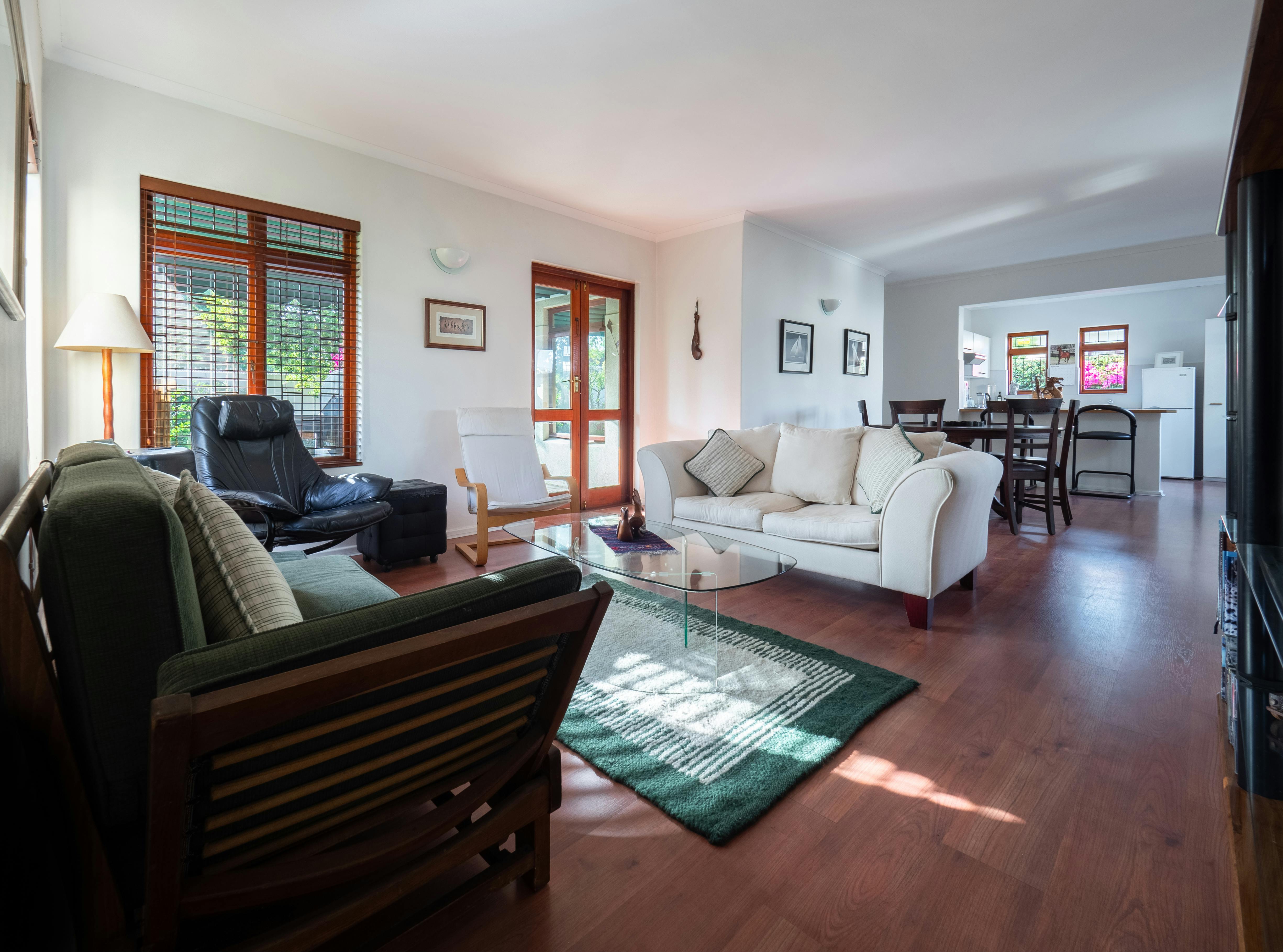
Top expat areas: Gigiri (UN/embassy hub, highest security), Runda (leafy, family-friendly, near international schools), Karen (spacious homes, suburban feel), Muthaiga ("Beverly Hills of Nairobi"), Lavington and Kileleshwa (balanced, convenient), Kilimani (modern apartments, city-centre buzz). Avoid Eastlands and parts of the CBD at night.
Gigiri, Karen, Runda top picks
Rental costs: How much is rent in expat areas of Nairobi?
1-bed in mid-range area (Kilimani/Kileleshwa): KES 50,000–80,000/month (~$360–$620). 2–3 bed in prime expat area (Karen/Gigiri/Runda): KES 150,000–250,000+/month (~$1000–$1,920+). Most expat rentals come with 24-hr security, water backup, and generator — essential, not luxury.
Property ownership: Can I buy a house or land in Kenya as a Foreign National?
Foreigners cannot own freehold property in Kenya — leasehold (up to 99 years) is the maximum. Foreign Nationals can acquire land for commercial purposes, but not to generate rental revenue. Most expats rent rather than buy. Some long-term residents invest via Kenyan company structures.
Health, Safety & Vaccinations (Critical first step)
What health insurance do I need?
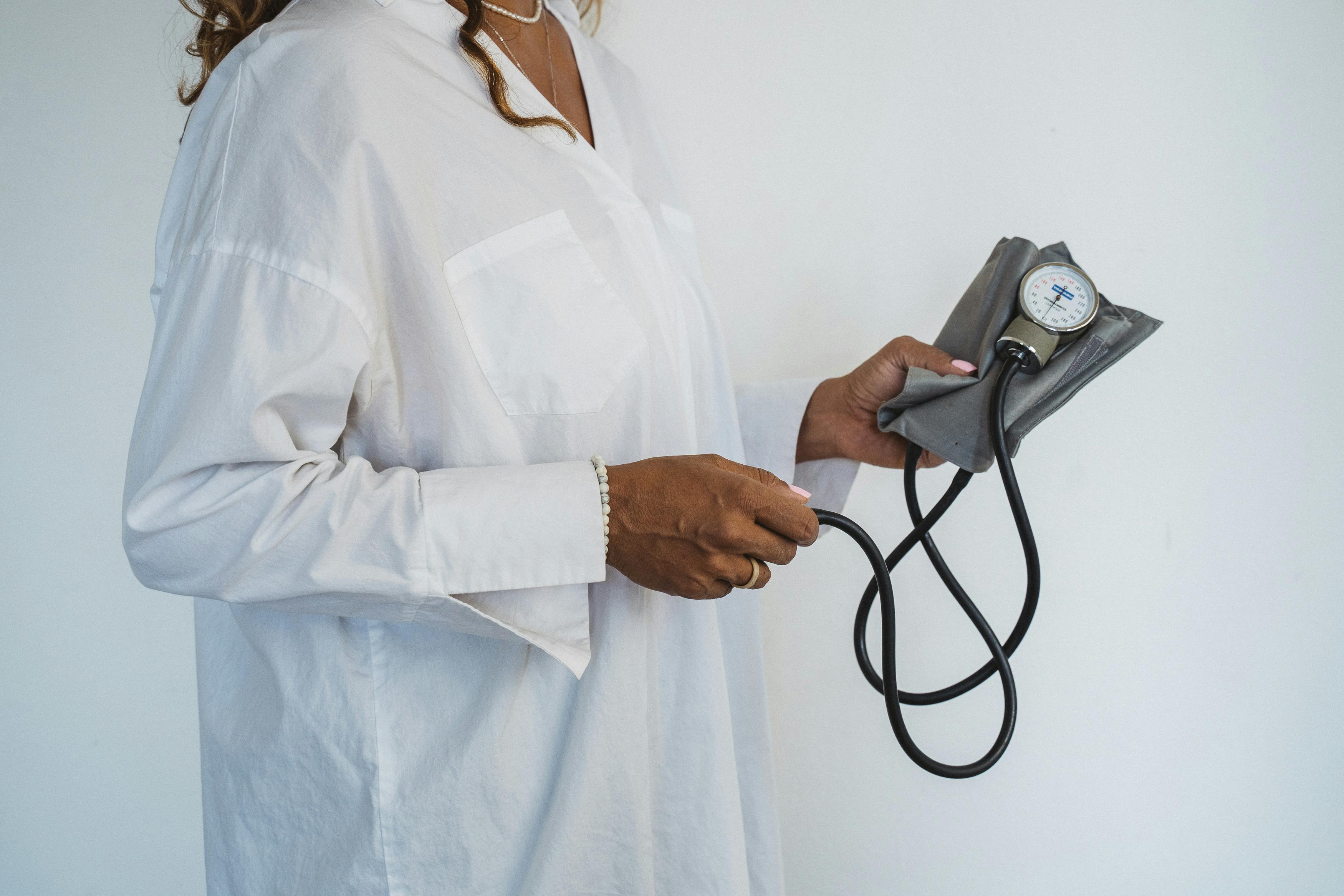
Kenya does not have a reciprocal health agreement with most countries. Comprehensive international health insurance is essential (and required for the Class N permit). Top private hospitals in Nairobi: Aga Khan University Hospital, Nairobi Hospital, MP Shah. Quality is good but expensive without insurance.
Vaccinations: What jabs do I need before moving to Kenya?
Recommended: Yellow fever (required if arriving from endemic countries, and often asked for anyway), Hepatitis A & B, Typhoid, Rabies (especially if you'll be in rural areas or have pets), Meningococcal, and updated Tetanus/Diphtheria. Malaria prophylaxis is recommended for Nairobi and essential for coastal/rural areas.
Security: Is Nairobi safe? What precautions do Foreign Nationals expats take?
Most expats live safely in Nairobi but security awareness is essential. Live in gated communities with 24-hr guards. Use licensed taxis or ride-hailing (Bolt/Uber) — avoid walking alone at night. Avoid flagging cash or expensive items. Register with the High Commission from your nationality in Nairobi for emergency alerts.
Family, Schools & Daily Life

Children's education: Are there international curriculum schools in Nairobi? How much do they cost?
Nairobi has excellent international schools: Rosslyn Academy, International School of Kenya (ISK), Hillcrest International School. Many follow the British National Curriculum or IB. Fees range from KES 500,000–2,000,000/year- often covered by employer packages for corporate moves.
Lifestyle: What is daily life actually like in Nairobi as a Foreign national?
Nairobi has an excellent tea & coffee culture, restaurants, malls (Junction, Two Rivers, Garden City), country clubs, and a vibrant social scene. Traffic is notorious — factor 45–90 minutes for cross-city journeys. Climate is spring-like year-round (~20–25°C). Safaricom internet is reliable. Load-shedding (power cuts) occurs —expect generators in most expat homes.
Culture & adjustment: What culture shocks do foreign nationals experience in Kenya?
English is widely spoken, easing the transition. Kenyans are generally friendly and welcoming people. Key adjustments: "African time" (meetings start later than planned), relationship-first business culture, a more visible divide between wealthy and poor areas, different approaches to service quality, and a worry free "hakuna matata" pace of life. Swahili basics go a long way — greetings are appreciated.
Driving: Can I drive in Kenya with my licence? Do I need a local one?
Most foreign nationals can use a valid driving licence from their home country for a limited period after arrival, typically up to 90 days.
For longer stays, it is advisable to convert your licence to a Kenyan driving licence through the National Transport & Safety Authority (NTSA). In many cases, licences from comparable driving systems can be converted without a driving test.
Kenya drives on the left-hand side of the road. An International Driving Permit (IDP) is also accepted for short-term use.
Relocation Services
Which is the best company for relocation support while moving to Kenya?
Relocation typically includes shipping, customs clearance at Mombasa, delivery to Nairobi, and initial settling-in support.
For work or family moves, this may also include home-finding, school search, area orientation, and permit guidance.
Vela coordinates these elements through trusted partners, providing a single point of oversight from planning through to arrival.
Practical admin on arrival: Arrival checklist
What do I need to sort first when I land in Nairobi?
Priority list:
(1) Get a Safaricom SIM at JKIA airport — needed for M-Pesa and data
(2) Register with your country's Embassy, Consulate or High Commission in the region for emergency alerts
(3) Apply for KRA PIN (tax ID) at kra.go.ke — needed for banking
(4) Apply for Alien Card after 3 months
(5) Open local bank account
(6) Arrange short-term furnished apartment for first 4–8 weeks.
Whether you are relocating for work, family, or long-term residence, having a clear sequence from the outset makes the transition smoother and more predictable.